

Summary
- Skyvia: A no-code data integration platform that covers ETL, ELT, Reverse ETL, 2-way data sync, and workflow automation in one place, with predictable pricing and minimal setup.
- Fivetran: A fully managed ELT tool focused on fast setup and reliability but can get expensive as data volumes grow.
- Talend: A flexible, enterprise-grade platform with strong transformation capabilities, though it comes with a steeper learning curve.
- Airbyte: An open-source option with a wide connector library, offering flexibility at the cost of setup and maintenance effort.
- Polytomic: A reverse ETL tool designed to push warehouse data back into business apps, best suited for operational use cases.
Ever come back to a broken pipeline because an API changed overnight? Or open your bill and have no idea where that number came from? It’s more common than it should be.
That’s just how things tend to look once you have more than a couple of systems involved.
Data lives everywhere — CRMs, ad platforms, billing systems — and getting it into a warehouse like Snowflake or BigQuery in a reliable way is what keeps reporting and analytics from falling apart. That’s where ETL and ELT tools come in.
The problem is, once you start looking for alternatives to Hevo Data, things get messy fast. Every tool claims “no-code,” “real-time,” “easy setup.” What you don’t see right away are the trade-offs — how pricing scales, where things break, or how much work it actually takes to keep everything running.
Quick note before we go further.
We’re the ones building Skyvia. So obviously we have a take. But it’s not for everything. Some teams need more flexibility, some go with open source, and sometimes you just want to get things running without thinking too much about it. We’ll keep it honest.
Instead of another generic “top tools” list, this is a breakdown of real alternatives based on how they actually behave in different scenarios — whether you’re running a lean setup, dealing with enterprise-scale pipelines, or somewhere in between.
How Do the Top Hevo Alternatives Compare?
If you line them up side by side, the differences show up pretty quickly. Each tool is built for a slightly different type of team, even if they all claim to solve the same problem.
| Tool | Best For | Pricing Model | Sync Frequency | API Complexity | Reverse ETL Support |
|---|---|---|---|---|---|
| Skyvia | No-code automation | Per records / per month | 1 minute | Visual wizard (no coding required) | Yes |
| Fivetran | High-volume enterprise teams | Per row (MAR consumption) | Around 1 minute | Fully managed | No |
| Talend | Regulated enterprise environments | Custom enterprise pricing | Batch / real-time CDC | High (Java / SQL required) | No |
| Airbyte | Developer-heavy teams | Compute-based / free self-hosted | Around 5 minutes | Medium (Python / CLI knowledge) | No |
| Polytomic | Reverse ETL use cases | Flat-rate subscription | Real-time / scheduled | Low (visual + SQL) | Yes (core feature) |
Which Tool Is Best for No-Code Data Integration?
Skyvia
I’ve seen this a lot with mid-sized teams — the first warehouse sync is usually easy, but once schemas start changing and sync volumes grow, somebody ends up maintaining the pipelines manually in the background.
What find out more with Skyvia is how little attention the replication pipelines needed once they are running. Setting up incremental Salesforce syncs into Snowflake is mostly just choosing the objects, configuring the update behavior, and letting it run.
The bigger difference showed up later once schemas started changing and sync volumes increased. New fields appeared, tables evolved, data kept growing — but the pipelines didn’t suddenly turn into maintenance work. That’s usually where lighter ELT setups start getting messy.
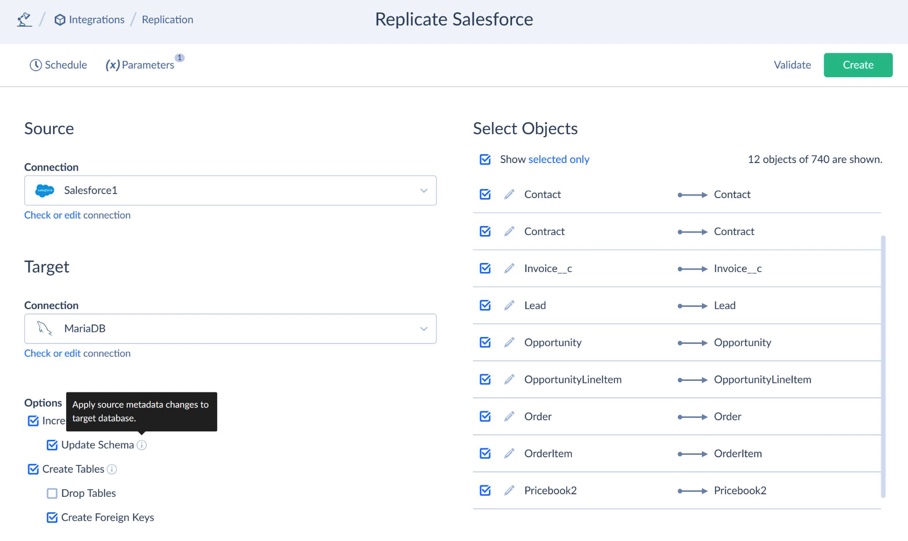
The monitoring side also felt fairly approachable. You can check sync history, failed runs, schedules, and replication status without digging through logs or writing scripts.
Pricing also felt easier to reason about compared to models where costs jump every time historical loads or update-heavy syncs start scaling up.
Best for
Teams that don’t want to involve engineering in every data task.
Especially useful for SMBs where one person ends up handling data, reporting, and operations at the same time.
Rating
G2: 4.9/ 5 based on 25 reviews
Capterra: 4.9 / 5 based on 116 reviews
Pricing
Subscription-based with a free tier for smaller setups
See pricing page for current plans
Pros
- Visual no-code setup that doesn’t require technical background
- Predictable pricing as data volume grows
- Covers ETL, ELT, Reverse ETL, two-way sync, and automation in one place
Cons
It’s fully cloud-based. If you need a strictly on-prem deployment, which happens in some regulated environments — this won’t be the right fit. Tools like Talend are a better match there.

What are the Best Data Migration Tools for Enterprise & High Volume?
Fivetran
We’ve used Fivetran in a few heavier setups, including a fairly large Oracle replication test. The CDC speed there was genuinely impressive — especially once log-based sync kicks in.
At the same time, when you start plugging real numbers into their pricing calculator, the numbers can change pretty quickly. High-volume streams like ad impressions or event logs add up faster than expected.
Fivetran has been a go-to choice in enterprise environments for a while now. A big part of that is how hands-off it is. You connect a source, pick a destination, and it handles the rest — including schema changes, which it manages quietly in the background without breaking pipelines.
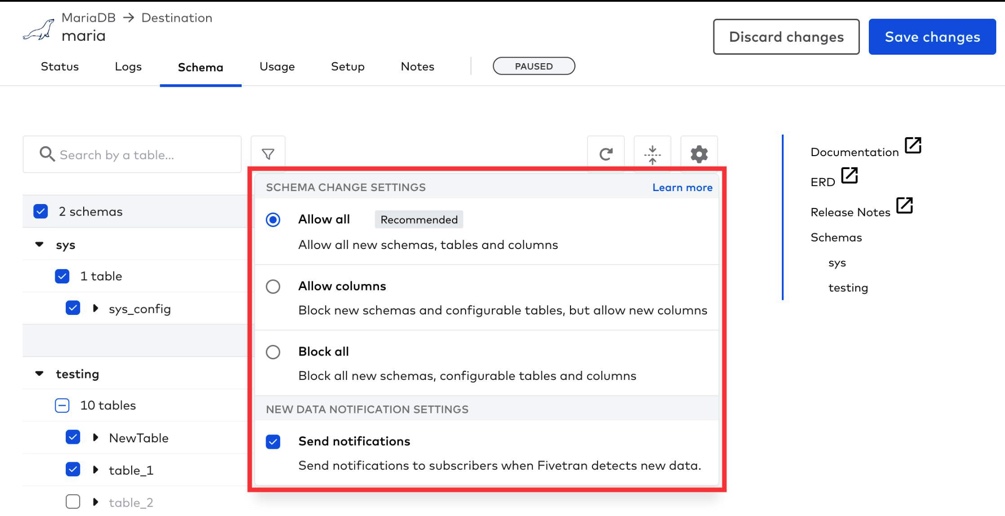
Security is another strong point. Features like PrivateLink and enterprise-grade access controls make it easier to fit into more restricted environments without extra work.
Best for
Large teams dealing with high data volumes who want something stable and mostly hands-off, especially in enterprise environments.
Rating
G2: 4.4 / 5 based on 1009 reviews
Capterra: 4.4 / 5 based on 25 reviews
Pricing
Usage-based (Monthly Active Rows)
Pros
- Very fast sync cycles (down to ~1 minute)
- Handles schema changes without manual fixes
- Strong security features for enterprise setups
Cons
The MAR pricing model can get expensive quickly, especially for high-volume data that doesn’t carry much business value (like raw event streams or logs).
Talend
Talend is kind of its own thing.
We usually see it in larger, more regulated environments where flexibility matters more than convenience. It’s not something you just set up and forget — it behaves more like a full platform than a quick integration tool.
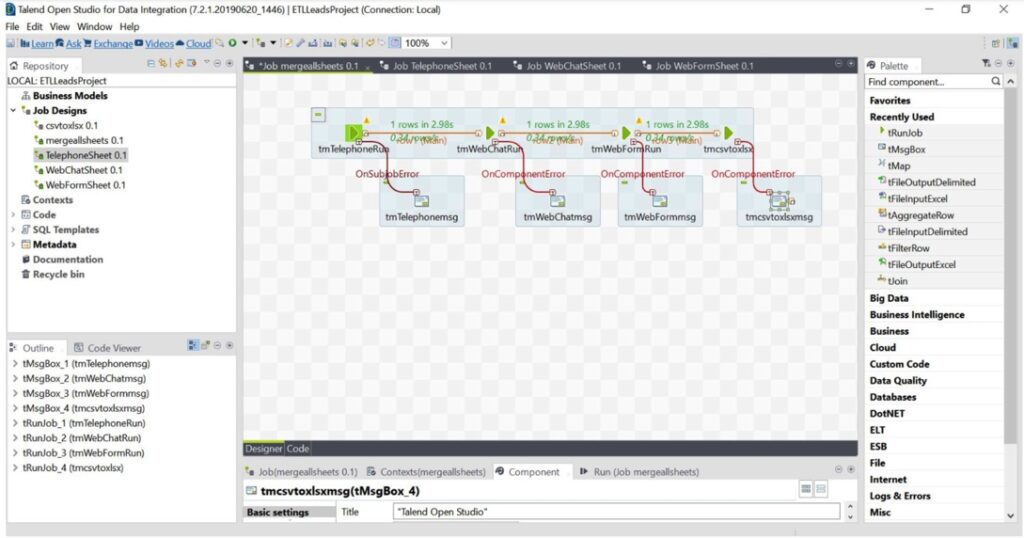
You get a lot of control in return. You can run it on-prem, you’re not locked into a managed service, and you can define how data is handled end-to-end. Stuff like data quality rules or MDM is part of the picture here, not an add-on.
But yeah, it comes with weight. Setup is heavier, the UI takes getting used to, and you need engineers who know what they’re doing.
Best for
Enterprises that need full control over infrastructure, strict governance, or on-prem deployment.
Rating
G2: 4.3 / 5 based on 67 reviews
Capterra: 4.3 / 5 based on 24 reviews
Pricing
Custom enterprise pricing
Pros
- Full control over infrastructure (including on-prem setups)
- Strong data governance and data quality features
- Advanced capabilities like master data management (MDM)
Cons
The learning curve is steep. This isn’t something you hand off to a marketing analyst — you need engineers who are comfortable working with Java and more complex data pipelines.
Which Platforms are Best for Developer-Heavy Teams?
Airbyte
Airbyte is one of those tools that looks simple at first, then pulls you deeper once you start using it.
When we set up the open-source version, we ended up spending a few hours going through GitHub issues trying to fix a connector bug. Nothing unusual, just part of how it works. If you’ve got Python engineers on the team, it’s manageable. If not, it gets frustrating pretty quickly.
The big draw is flexibility. It’s open source, you can run it anywhere, and if a connector doesn’t exist, you can build one yourself. That’s something you don’t really get with managed tools.
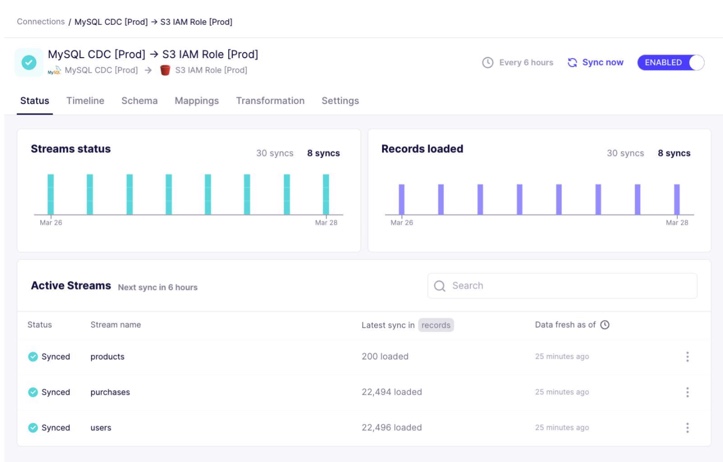
But yeah, you pay for that in effort. You’re not just using it — you’re keeping it running. APIs change, connectors break, and someone has to deal with it.
Best for
Teams with developers who are comfortable owning their data pipelines and don’t mind maintaining integrations over time.
Rating
G2: 4.4 / 5 based on 76 reviews
Capterra: not reviewed yet
Pricing
Free (self-hosted) + paid cloud options
Pros
- Free to run if self-hosted
- Large connector library from the community
- No vendor lock-in, full control over integrations
Cons
Maintenance is on you. When APIs change, connectors can break, and you’re often waiting on a fix — or writing it yourself.
What is the Best Alternative for Reverse ETL and Marketing?
Polytomic
We ran into this pretty quickly when trying to push enriched customer segments back into HubSpot. At first, it seemed straightforward — until it wasn’t. Most ETL tools just aren’t built for that direction. They move data into the warehouse just fine, but going the other way is where things start to fall apart.
That’s really the key difference here. Tools like Hevo are built for ETL — getting data into your warehouse. But once you need to send data back into SaaS apps, you’re dealing with a different kind of problem.
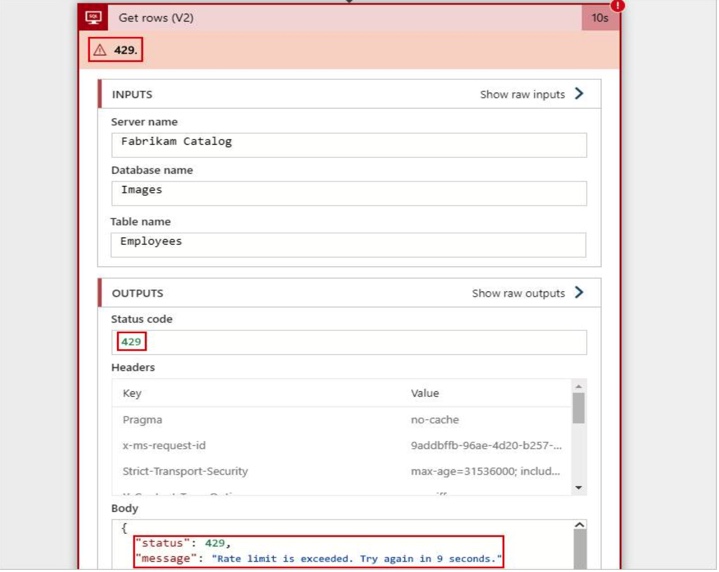
Similarly to Skyvia, Polytomic is built around that use case. It’s focused on syncing data out of the warehouse and into tools like CRMs, marketing platforms, or internal systems — without turning everything into a custom script.
Best for
Teams that rely on their warehouse as the source of truth and need to push that data back into business tools, especially in marketing or RevOps workflows.
Rating
G2: 4.8 / 5 based on 47 reviews
Capterra: not reviewed yet
Pricing
Flat-rate subscription
Pros
- Designed specifically for reverse ETL use cases
- Works well for syncing warehouse data into SaaS tools
- Handles operational workflows without custom scripts
Cons
These tools are pretty niche. If you just need basic data movement (like Postgres → BigQuery), they’re overkill — and usually more expensive than what you actually need.
How to Choose the Right Alternative for Your Stack?
There isn’t a single “best” tool here. It mostly comes down to what your team looks like and how your stack is set up.
If you’ve got engineers who want full control, tools like Airbyte or Talend make sense.
If you’ve got a dedicated data team and the budget for it, Fivetran is probably the safest bet.
If you’d rather avoid SQL bottlenecks and let non-tech users like ops, or marketing teams handle pipelines themselves, it’s worth trying Skyvia. There’s a free tier, so you can see how it fits before committing.

FAQ for Hevo Data Alternatives & Competitors

Why does Fivetran charge so much for high-volume data?
Fivetran uses a usage-based model (MAR), so costs grow with data volume. High-frequency or event data can drive costs up quickly, even if the data itself isn’t that valuable.
Should I choose Airbyte or a managed ETL service?
If you have engineers and want full control, Airbyte works well. If you’d rather not deal with maintenance and fixes, a managed service is usually the easier path.
Can I use these alternatives for Reverse ETL?
Some can, but not all. Tools like Skyvia and Polytomic are built for it. Most ETL tools focus on moving data into a warehouse, not pushing it back into business apps.
How do I know if I need CDC (Change Data Capture)?
If you need fresh data without constantly reloading tables, CDC is worth it. It tracks changes instead of reprocessing everything, which is more efficient at scale.
Do any of these alternatives support on-premise data?
es. Tools like Talend support on-prem setups. Others can connect via agents, but fully offline environments usually require more enterprise-focused solutions.